

Subject
Imagine a potential customer searching Google for exactly what your business offers.
They search for "plumber near me."
Your competitor appears at the top.
They click.
They call.
You just lost a customer.
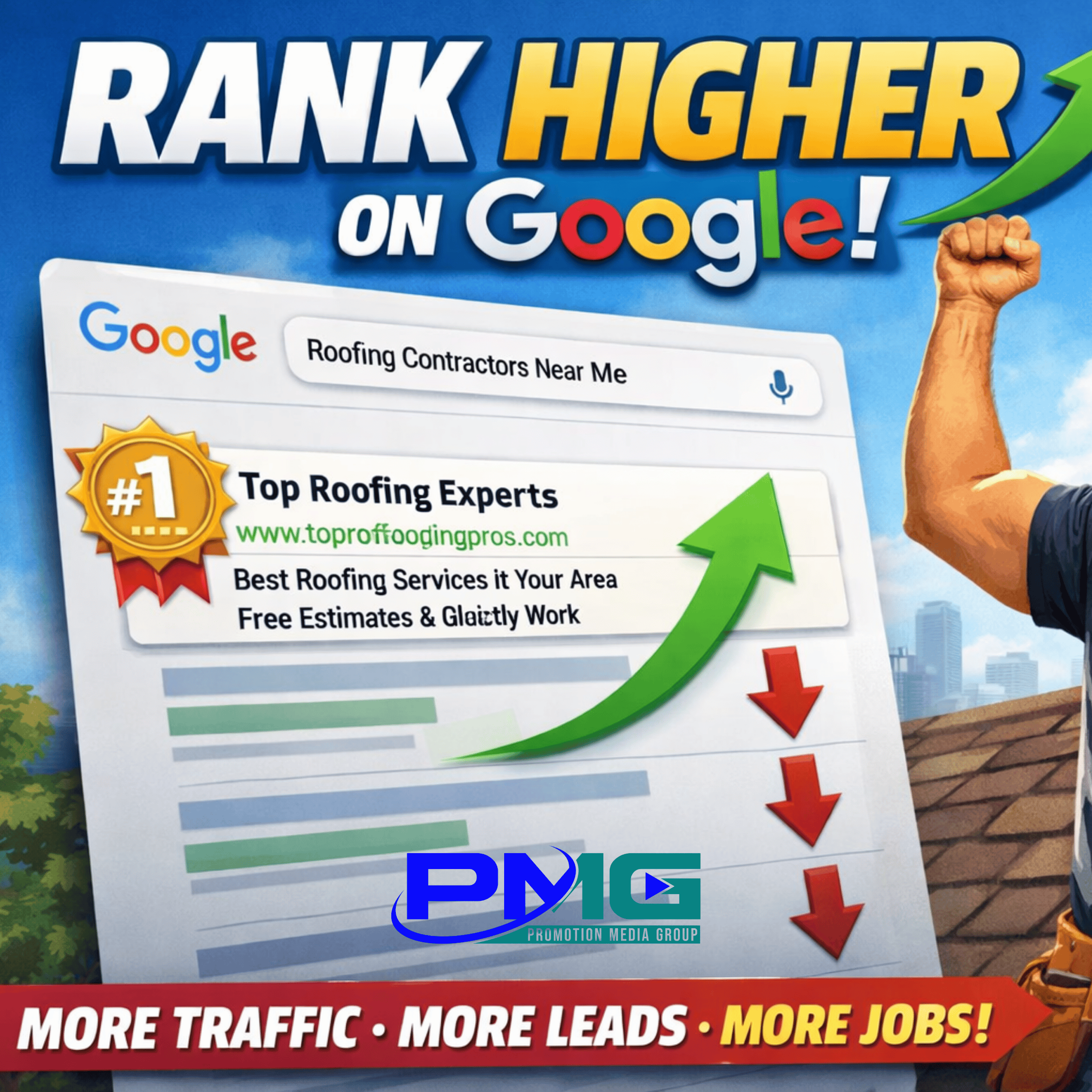
Google Ads gives businesses the opportunity to place their services in front of customers who are actively searching for them.
But simply running an advertisement isn't enough.
A successful Google Ads campaign requires strategy, targeting, compelling messaging, conversion tracking, and ongoing optimization.
Google Ads is Google's paid advertising platform.
Businesses can create advertisements that appear when people search for specific keywords.
For example, a plumbing company could target:
Instead of waiting for someone to discover the business organically, the company can pay to appear when relevant searches occur.
One of the biggest advantages of Google Ads is search intent.
Compare these two people:
Person A sees a plumbing advertisement while scrolling social media.
Person B searches "emergency plumber near me."
Person B is actively looking for a solution.
That distinction is incredibly valuable.
Paid search allows businesses to target customers when they are already demonstrating interest in a particular service.
Choosing keywords is one of the most important parts of a campaign.
A business shouldn't necessarily target every possible search.
Instead, focus on keywords that are relevant and commercially valuable.
For example, a roofing company might prioritize:
Broad keywords may generate traffic without producing quality leads.
The goal isn't maximum clicks.
It's maximum qualified opportunities.
Local businesses don't need to advertise everywhere.
A home service company serving Lawton doesn't need to spend money showing advertisements to someone hundreds of miles away.
Geographic targeting allows advertisers to focus campaigns on relevant communities and service areas.
This helps reduce wasted advertising spend.
One of the biggest mistakes businesses make is sending every ad visitor to their homepage.
If someone clicks an advertisement for water heater replacement, send them to a page specifically about water heater replacement.
The page should include:
The easier it is for the customer to take the next step, the better.
Clicks are not the ultimate goal.
Customers are.
A campaign should track meaningful actions such as:
Conversion tracking allows businesses to understand whether their advertising is actually producing results.
A Google Ads campaign should be monitored and optimized regularly.
Look at:
Underperforming areas can be adjusted while successful campaigns can receive more attention.
Paid advertising and SEO aren't necessarily competitors.
They can complement one another.
Google Ads can provide immediate visibility while SEO builds long-term organic visibility.
A business using both strategies can occupy more digital real estate when customers search for its services.
Google Ads can be an extremely powerful lead-generation tool when campaigns are strategically designed and properly managed.
The difference between profitable advertising and wasted advertising often comes down to the details: targeting, messaging, landing pages, tracking, and follow-up.
At ProMotion Media Group, we help businesses create digital advertising strategies designed around measurable business outcomes—not just clicks.
Ready to turn more searches into customers? Schedule a free strategy consultation.

Lorem ipsum dolor sit amet consectetur adipisicing elit sed do eiusmod tempor incididunt ut labore et dolore magna aliqua Ut enim ad minim.